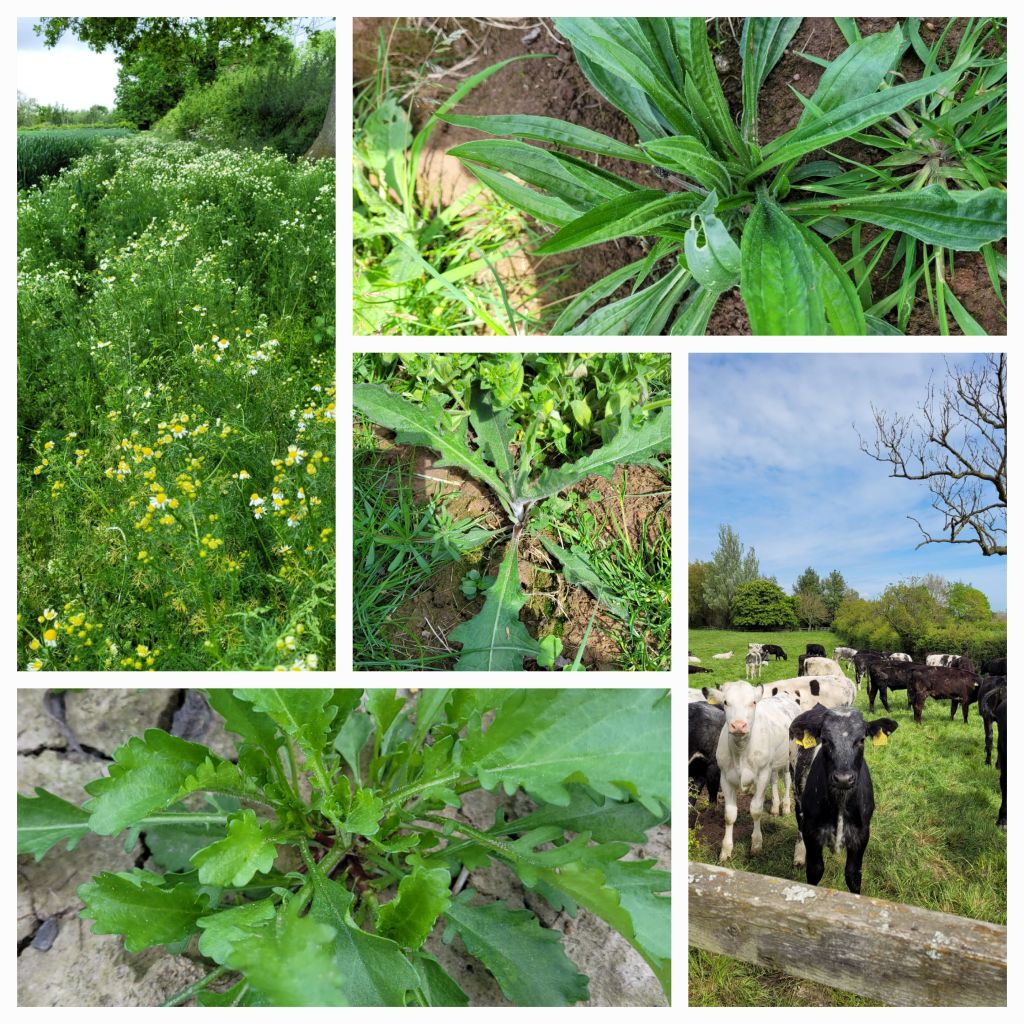
Our first Spring on the farm is nearing an end and it’s been fascinating.
First the bad news. The nesting lapwings over our boundary are no more. In the end, it was not the foxes, the badgers or the crows that did for them, but a farmer who decided his fields needed rolling. Over two days, the rough grasslands over our hedge were transformed into something more closely resembling the striped courts of Wimbledon. A few lapwing loitered mournfully about for a couple of days afterwards but there was nothing for them to go back to. Whatever nests and eggs had been there before were left for the jackdaws to pick over. What a waste, albeit further motivation for us to get our big field into shape for next season to provide a safer alternative.
The bad news did not end there. Our rather small female cat appeared triumphantly one evening with a young hare, almost as big as her. She had previously brought us a succession of baby rabbits and a squirrel, but this was very definitely a leveret and very definitely an ex one at that. Quite where she found it who knows – we assume she must have ambushed it while it lay up in the grass. As this was only the second hare we had seen on our land it felt a real loss. The only positive thing is that our habitat clearly appeals to hares – hopefully a few others may yet survive the Summer.
On a more positive, and perhaps related note, our failed field margin appears not to have failed at all. While not exactly a blanket of wildflowers, the warmth of Spring has stirred at least some of the seeds sown late last Summer into action and, with every day, a few more oxeye daisy, knapweed and ribwort plantain seedlings emerge around our wheat field. Most spectacular of all has been the chamomile which, in South-facing spots, has already reached almost waist height (see picture above). While I can’t say the field margins are yet brimming over with insects, bees and songbirds as a result, it’s early days and, as the Summer comes along, hopefully the benefits should become apparent. Even now, the contrast with the 14 acres of sterile, weed, insect and bird-free wheat it surrounds is dramatic and I feel we must be doing some good.
Other Spring high points included a passing wheatear on the bare ground around our newly dug ponds, a roving red kite looking for a nesting spot (surprisingly rare in Cheshire), and swallows returning to nest in our barn.
Perhaps the most welcome returning visitor of all was a spotted flycatcher – a bird we saw on our very first visit to the farm last June when purchasing it was still but a distant hope. Flycatchers have always been amongst my favourite birds and seeing one on the farm again felt good.
Finally of course, the cows are back. I have to admit we’ve missed them and the farm seems empty and rather purposeless in their absence. While now much maligned for their methane emissions, as I walk the fields and see swarms of insects rising up from their (many) cow pats, and admire the thick hedges that have kept stock from roaming for hundreds of years, I can’t help but feel their presence actually does more good than harm, at least on the grasslands where we are. Certainly the contrast with our sterile, insect and bird-free field of wheat is telling and I do wonder if those who enthusiastically embrace meat-free meats as a solution to the world’s ills quite understand the full implications for nature of an England without cows.
 Hope for the Lappinch
Leave a comment